
Water Restoration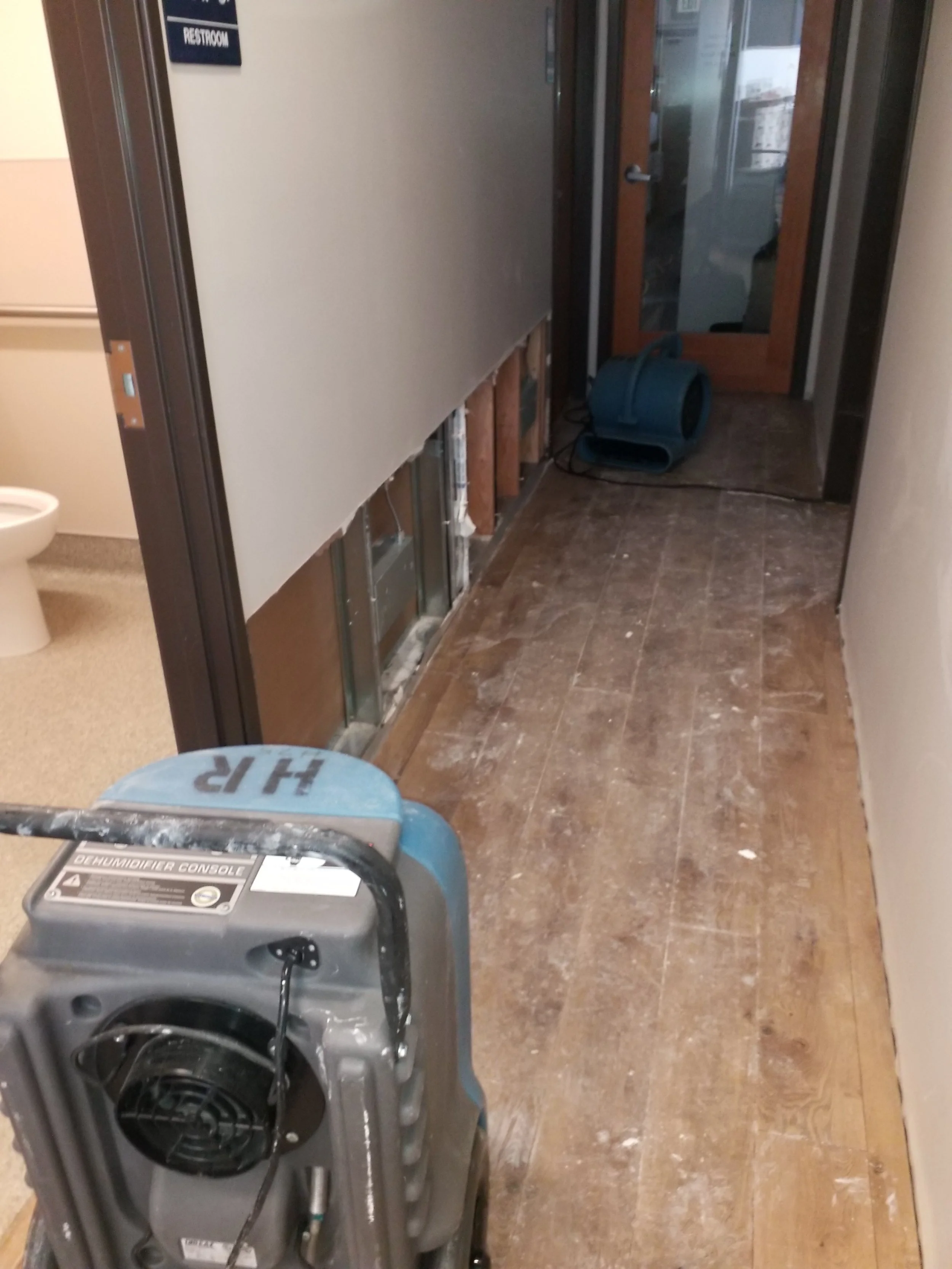
Heritage Restoration team is highly trained,
well-educated and experienced in the
restoration process of water damage.
•Experienced and Certified Technicians
•Certified Restorers
•Ultrasonic Cleaning Tanks for Contents Cleaning
•Industry Specific Billing Software
•Climate Controlled Warehouses
•State-of-the-Art Equipment
•24/7 Availability
•Insurance Billing
•Bondable and Insured
Water Damage Restoration in Lacey & Chehalis, WA
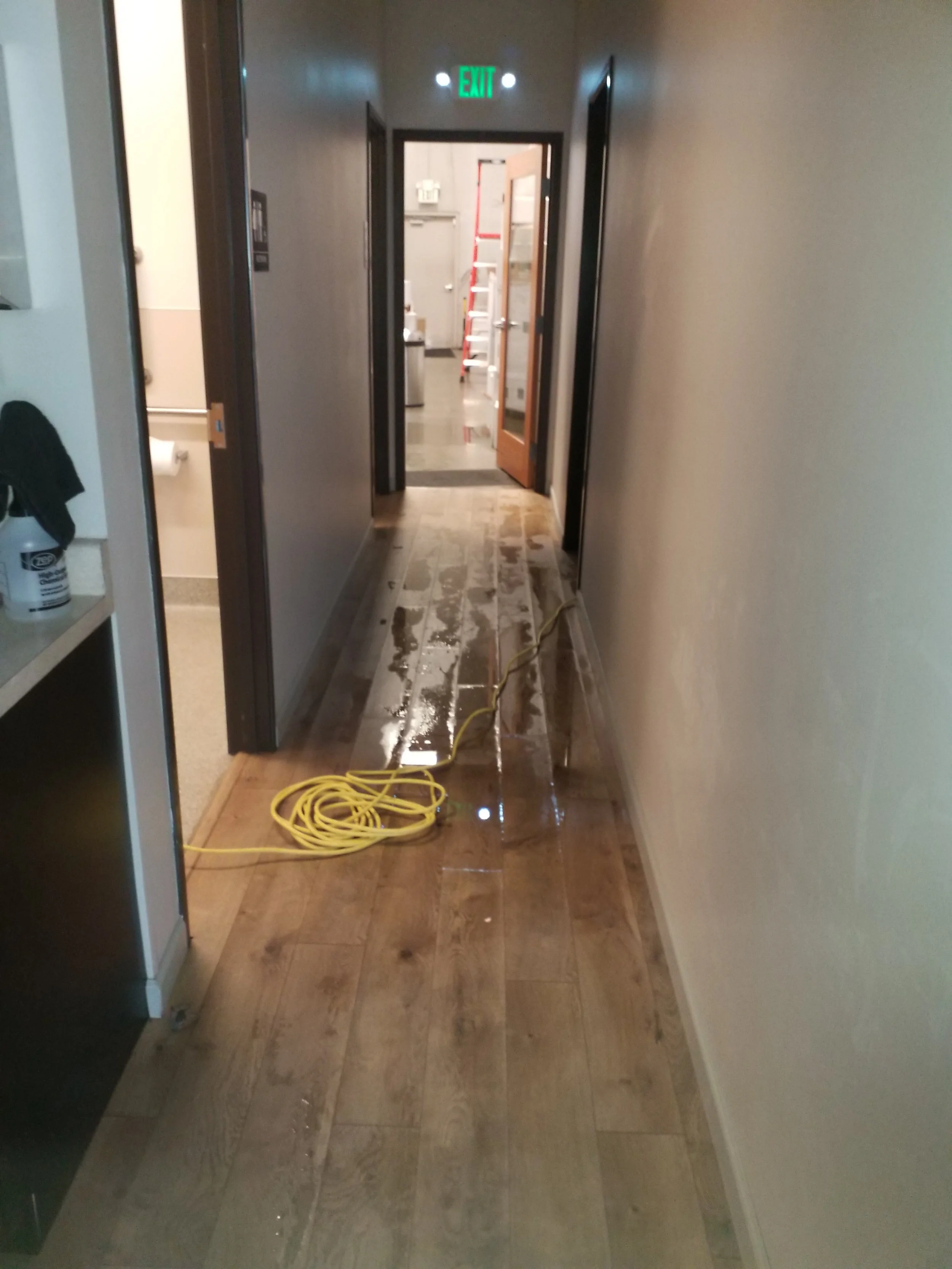
Water damage can happen in an instant — a burst pipe, an overflowing appliance, a flooded basement, or a roof leak after a Pacific Northwest storm. But the destruction doesn't stop when the water does. Within 24 to 48 hours, moisture left in walls, flooring, and structural materials creates the perfect conditions for mold growth, which can cause serious health risks and dramatically increase the cost of repairs.
Heritage Restoration provides 24/7 emergency water damage response across Thurston and Lewis County. Our IICRC-certified technicians arrive fast, extract the water, dry your home thoroughly, and restore it to pre-loss condition — so you can get back to normal as quickly as possible.
Our Water Damage Restoration Process
Emergency Response & Water Extraction We respond around the clock. From the moment we arrive, we begin extracting standing water using industrial-grade pumps and vacuums. The faster the water is removed, the less damage your home sustains — and the lower the risk of mold.
Moisture Mapping & Assessment Water travels. It seeps behind walls, under flooring, and into subfloor materials that look dry on the surface. Our technicians use professional moisture detection equipment to map the full extent of the damage — including areas you can't see — so nothing is missed.
Structural Drying & Dehumidification Once standing water is removed, we place high-powered air movers and commercial dehumidifiers throughout the affected areas. This process draws moisture out of walls, flooring, and structural materials over several days. We monitor readings daily to ensure drying is progressing properly.
Mold Prevention Mold can begin forming within 24–48 hours of water exposure. As part of our drying process, we apply antimicrobial treatments to affected surfaces to prevent mold from taking hold. If mold is already present, we assess the extent and address it as part of the restoration scope.
Removal of Damaged Materials In many cases, saturated drywall, insulation, flooring, or cabinetry must be removed to allow proper drying and prevent hidden mold growth. Our team removes only what's necessary, documents everything for your insurance claim, and prepares the space for reconstruction.
Contents Pack-Out & Drying Personal belongings affected by water damage — furniture, clothing, documents, electronics — can often be saved with prompt professional treatment. We carefully inventory, pack out, and transport your contents to our climate-controlled warehouse where we dry, clean, and restore as much as possible.
Insurance Coordination Water damage claims can be complicated, especially when the source of the damage affects what your policy covers. Our team helps document everything thoroughly and works directly with your insurance adjuster to negotiate a fair settlement on your behalf.
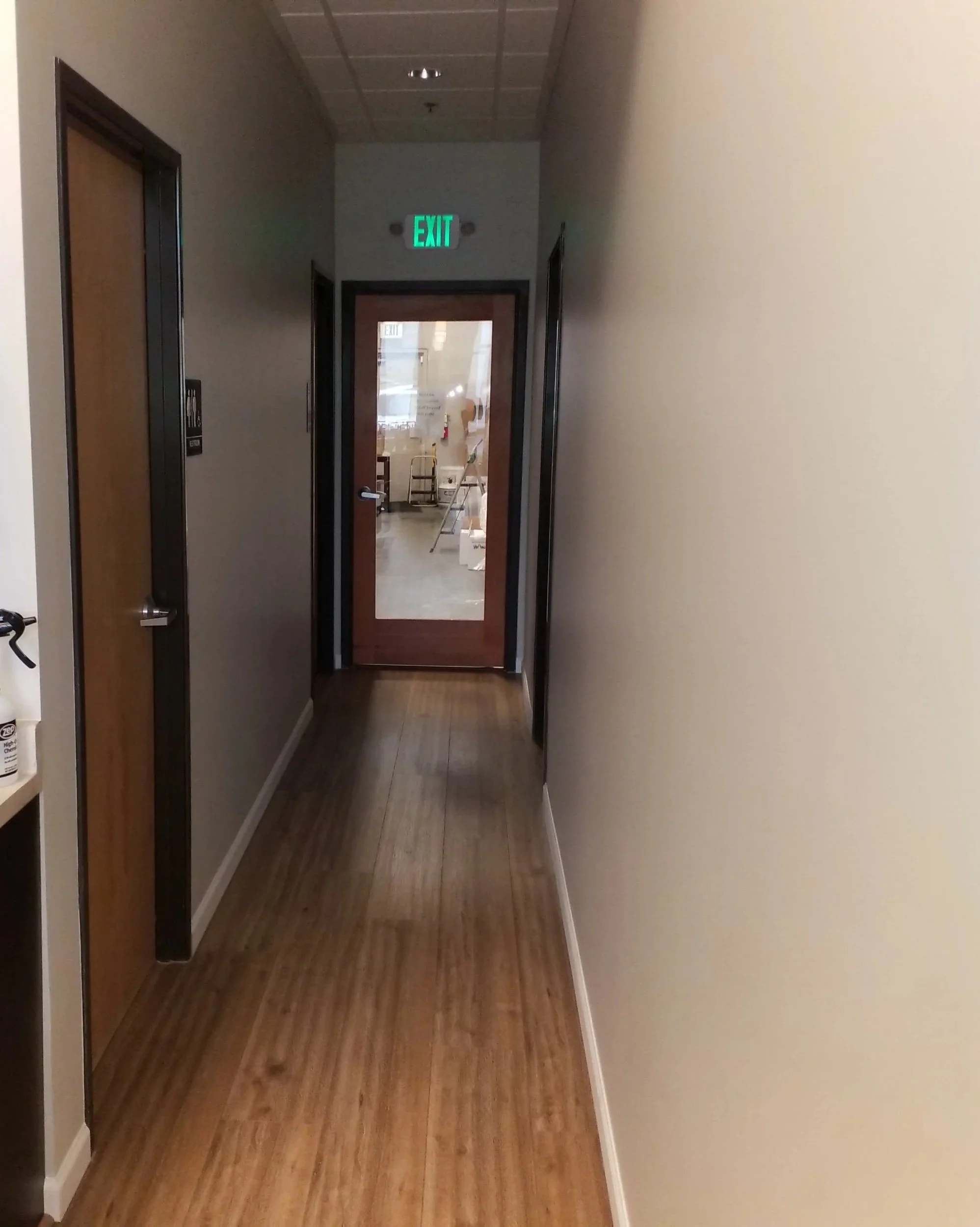
Full Reconstruction Once your home is fully dry and all damaged materials are removed, we rebuild — replacing drywall, flooring, cabinetry, and anything else affected. We manage permits, coordinate subcontractors, and see the project through to a final walkthrough. All work is backed by our 5-year warranty.
Common Causes of Water Damage We Respond To
Burst or frozen pipes
Appliance leaks (washing machines, dishwashers, water heaters)
Roof leaks and storm-driven rain intrusion
Sewage backups and drain overflows
Flooding from heavy rainfall or groundwater
Sprinkler system failures
Slow hidden leaks behind walls or under floors
Why Quick Action Matters
Water damage is one of the most time-sensitive emergencies a homeowner can face. Here's what happens if it's not addressed promptly:
Within hours: Water spreads into walls, flooring, and furniture
Within 24–48 hours: Mold begins to form; drywall and wood begin to swell and warp
Within a week: Mold spreads significantly; structural materials may be compromised; restoration costs increase substantially
Calling Heritage Restoration immediately after water damage occurs is the single most important thing you can do to protect your home and limit your losses.
Why Homeowners in Thurston, Lewis & Pierce County Choose Heritage Restoration
Locally owned and operated — we live and work in this community
IICRC certified water damage technicians
24/7 emergency response — we answer day and night
Advanced moisture detection equipment — we find damage you can't see
Full-service restoration from water extraction through final rebuild
5-year warranty on all restoration work
Advocate for you — not the insurance company
Frequently Asked Questions
How long does water damage restoration take? Drying alone typically takes 3–5 days depending on the severity and materials affected. Full restoration including reconstruction can take several weeks to a few months. We'll give you a clear timeline after our initial assessment.
Will my homeowner's insurance cover water damage? It depends on the source. Sudden and accidental damage — like a burst pipe or appliance failure — is typically covered. Gradual leaks or flooding from outside may have different coverage. Our team helps you understand your policy and documents the damage to support your claim.
Is it safe to stay in my home during restoration? It depends on the extent of the damage. For minor water damage confined to one area, it's often possible to remain in the home. For more significant damage, we'll advise you honestly on whether temporary relocation makes sense.
Can water damage lead to mold even if it dries out on its own? Yes. Surface drying isn't enough — moisture trapped inside walls, under flooring, and in structural materials can fuel mold growth for weeks without proper professional drying equipment. This is one of the most common causes of mold problems we see.
What should I do while waiting for your team to arrive? If it's safe to do so: shut off the water source, turn off electricity in affected areas, move valuables o
Want to be notified when Claude responds?